
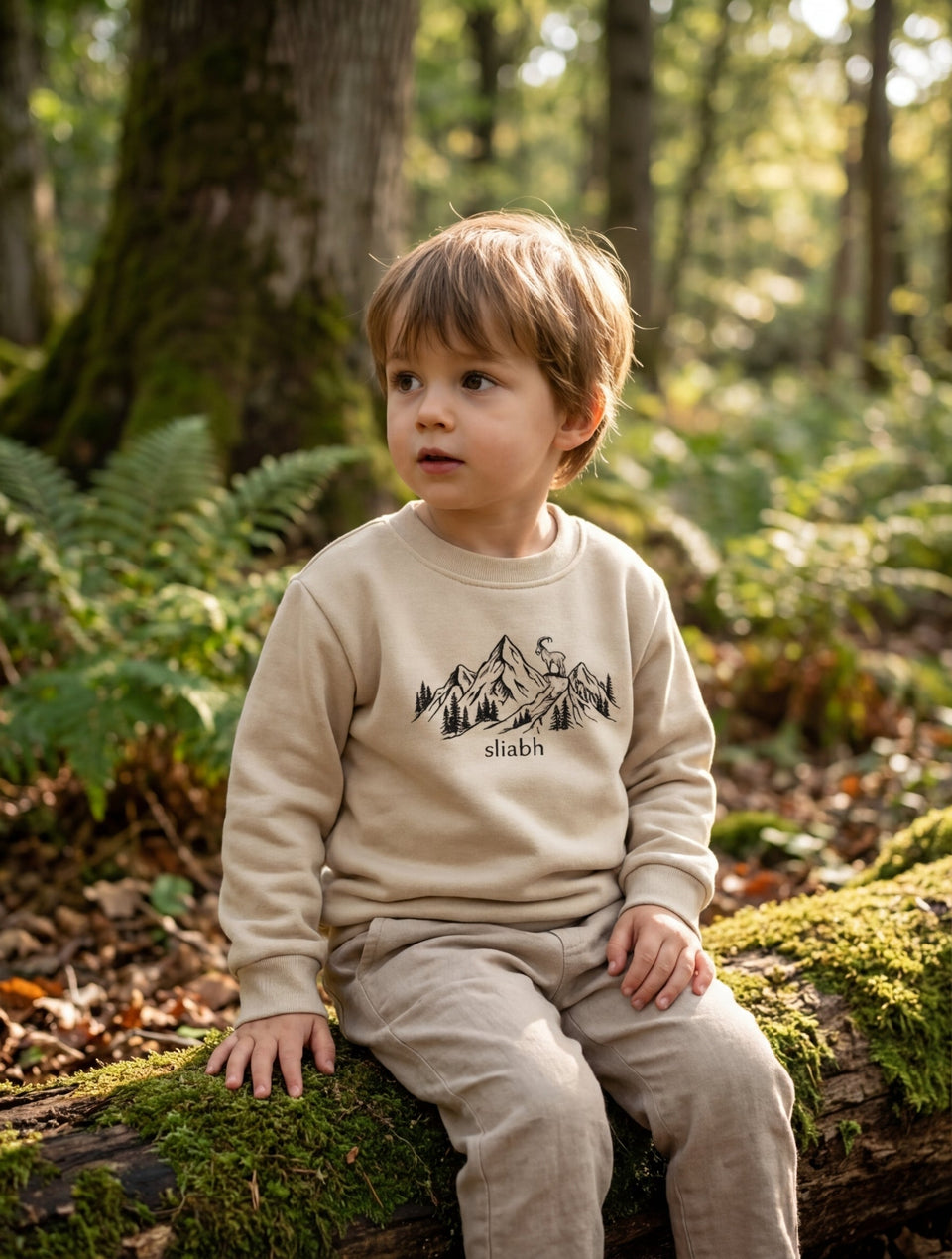
When we started Glasóg, one of the first decisions we made was to use organic cotton. Not because it was trendy, but because it was the right thing to do - for our kids, for the farmers who grow the cotton, and for the planet they'll inherit.
Here's what organic cotton actually means, and why it matters more than you might think.
What Makes Cotton "Organic"?
Organic cotton is grown without synthetic pesticides, herbicides, or fertilisers. Instead of relying on chemicals, organic farmers use natural methods: crop rotation, composting, and biological pest control. The soil stays healthy, the water stays clean, and the farmers aren't exposed to toxic chemicals day after day.
To be certified organic, the entire supply chain - from the farm to the finished fabric - has to meet strict standards. This isn't a label any company can slap on. It requires independent audits, traceability, and ongoing compliance.
The Certifications We Use
Our t-shirts carry the OCS 100 (Organic Content Standard) certification. This means the cotton in every t-shirt is 100% certified organic - independently verified at every step from farm to fabric.
Our sweatshirts are GOTS certified - the Global Organic Textile Standard, which is widely considered the gold standard for organic textiles. GOTS covers not just the organic content, but also the environmental and social conditions throughout the manufacturing process.
Our hoodies carry OCS Blended certification (organic cotton blended with recycled polyester) as well as OEKO-TEX Standard 100, which means every component has been tested for harmful substances.
Why It Matters for Children
Children's skin is more sensitive and more absorbent than adult skin. The chemicals used in conventional cotton farming and textile processing - pesticide residues, formaldehyde, heavy metals, azo dyes - can remain in finished fabric even after washing.
Organic cotton, combined with OEKO-TEX testing, means the fabric against your child's skin has been grown and processed without those chemicals. It's not a guarantee of perfection, but it's a meaningful step in the right direction.
The Bigger Picture
Conventional cotton farming accounts for roughly 16% of the world's insecticide use and 7% of its herbicide use - despite covering just 2.4% of arable land. Organic cotton farming uses up to 91% less water from blue water sources (rivers and lakes) because healthy organic soil retains moisture far more effectively.
Choosing organic cotton isn't going to solve climate change on its own. But it's one of those choices where the alternative is clearly worse - and where consumer demand genuinely shifts what gets produced.
What We Do Differently
Beyond the fabric itself, we try to make responsible choices at every step:
- We print on demand - no dead stock, no overproduction, no garments going to landfill
- Our hoodies and sweatshirts use recycled polyester made from post-consumer plastic bottles
- Orders over €30 include a free reusable organic cotton tote backpack for kids - smaller orders ship in biodegradable, non-plastic mailers
- We use recyclable kraft paper and paper tape for transit protection
- All our blank garments are PETA-Approved Vegan
We're not perfect, and we don't claim to be. But we believe that children's clothing should be made with care - for the child wearing it, for the people making it, and for the world they're growing up in.
Read more about our sustainability commitments, or browse the collection.